
Decisive Dates
Early Days
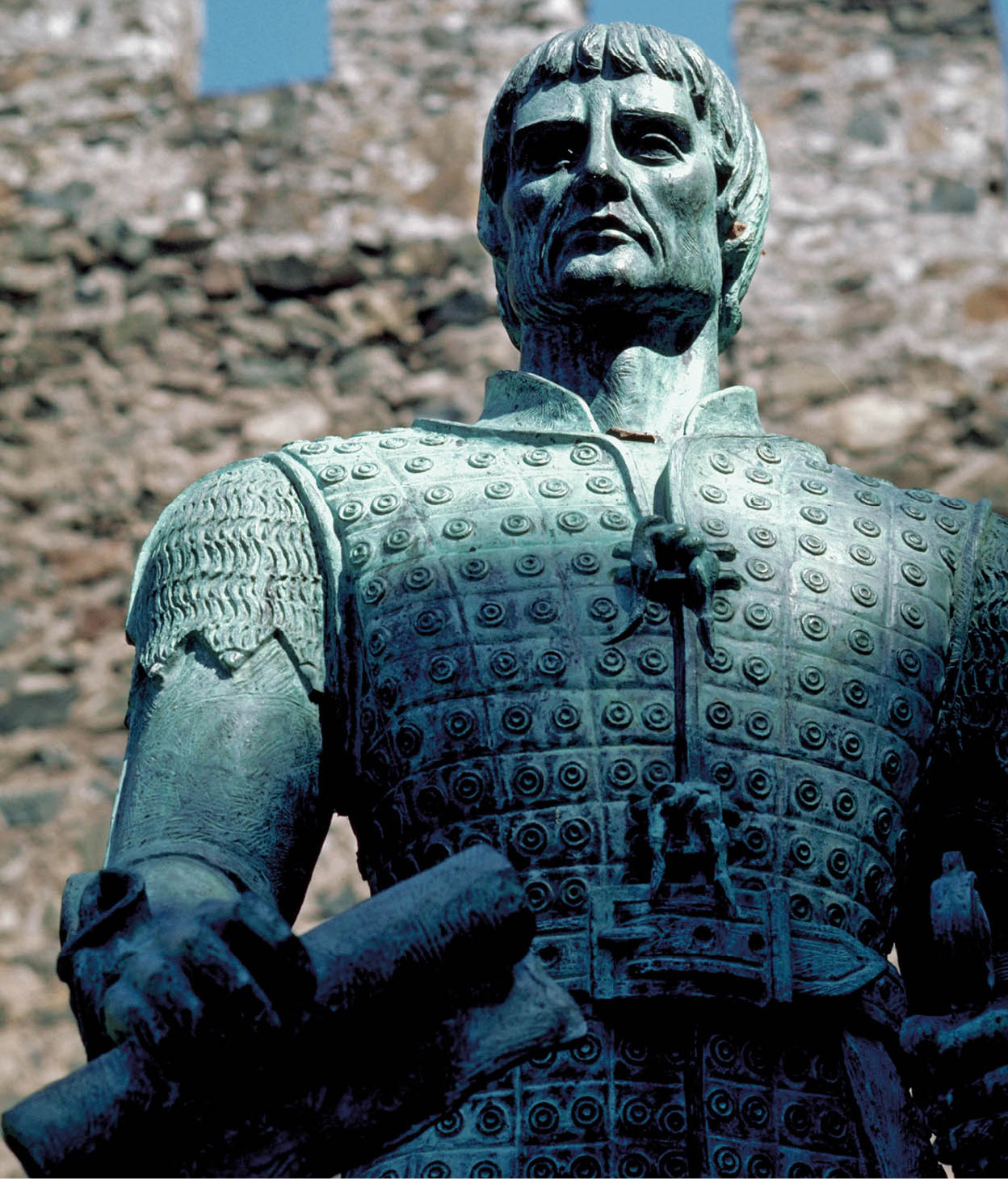
A statue of the D. Fernando, the 2nd Duke of Braganca at Braganca.
Corbis
9th–6th centuries BC
Phoenician and Greek traders establish settlements.
5th century BC
Carthaginians in control of the Iberian peninsula.
130 BC
Roman conquest.
4th century AD
Christianity spreads.
AD 419
The Germanic Suevi arrive; vanquished by the Visigoths over the next 50 years.
711
African Moors occupy Iberia.
718
Victory by the Christians over the Moors at Covadonga starts the reconquest.
11th–12th centuries
A complex round of civil wars between Henri of Burgundy and his cousin Raymond.
Reconquest and Nationhood
1143
Afonso Henriques is declared first king of Portugal, but is not recognised by Pope Lucius II.
1147
Henriques captures Lisbon.
1179
Afonso Henriques is finally recognised by Pope Alexander III as king.
1249
Moors expelled from Algarve.
1260
Afonso III transfers capital from Coimbra to Lisbon.
1279–1325
Reign of King Dinis.
1297
Treaty of Alcañices establishes Portugal’s borders.
1348
Plague ravages Lisbon.
1373
First Anglo-Portuguese Alliance signed.
1385
Defeat of Castilians. João I becomes king, commencing the House of Avis.
The Age of Discoveries
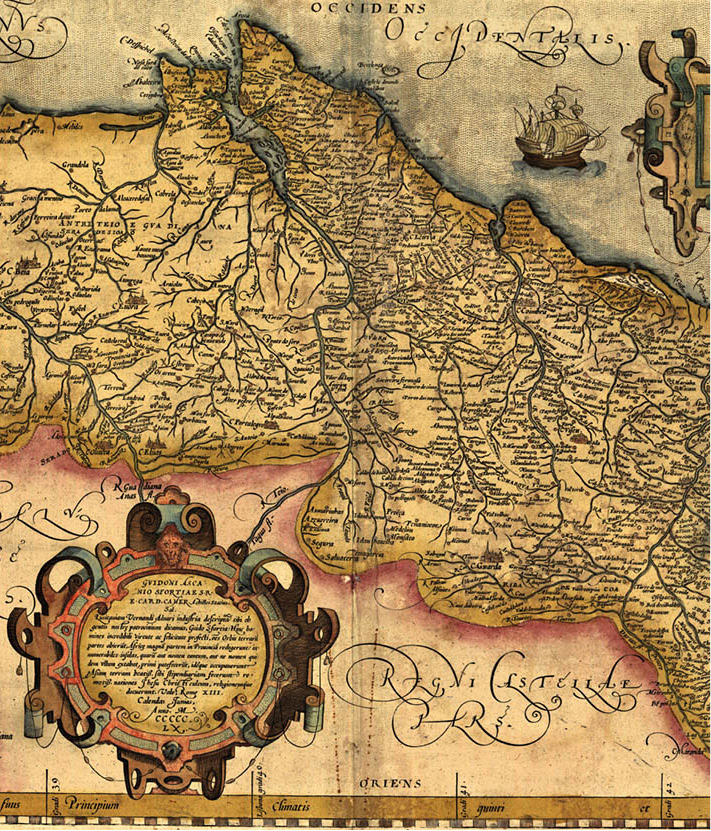
Medieval map of Portugal.
iStockphoto.com
1415
Ceuta, North Africa, is taken by Portuguese force. Madeira discovered.
1427
Azores discovered.
1434
Gil Eanes discovers parts of West Africa.
1481
João II ascends the throne.
1487
Bartolomeu Dias rounds Cape of Good Hope.
1492
Around 60,000 Jews expelled from Spain flee to Portugal.
1494
Treaty of Tordesillas: Portugal and Spain divide up New World.
1497–98
Explorer Vasco da Gama opens a sea route to India.
1500
Pedro Alvares Cabral discovers Brazil.
1510
Conquest of Goa.
1519–22
Ferdinand Magellan circumnavigates the globe.
1536
Holy Inquisition is introduced.
1557
Trading post opens in Macau.
1580
Portugal falls under Spanish rule.
1640
Spanish overthrown; Duke of Bragança becomes João IV.
1668
Treaty of Lisbon; Spain recognises Portugal’s independence.
early 1700s
Gold is discovered in Brazil.
1755
The Great Earthquake devastates Lisbon.
1777
Maria I becomes queen.
1807
France invades; royal family leaves for Brazil.
1808
The Peninsular War. Portugal invokes the British Alliance.
1820
Liberal revolution.
1822
New liberal constitution ends the Inquisition. Brazil proclaims independence.
1829–34
Miguelist Wars between factions led by brothers Miguel and Pedro. The latter wins and becomes Pedro IV in 1834.
1834
Religious orders expelled from Portugal.
1834–1908
Rise of political parties, Septembrists (Liberals) and Chartists (Conservatives).
1908
King Carlos and crown prince are shot dead in Lisbon. Manuel II ascends the throne.
1910
Portugal becomes a republic; Manuel II exiled.
1910–26
Political turmoil, military coups and assassination.
Salazar and After
1926
Military coup overthrows democratic government and brings General Carmona to power.
1932
Salazar becomes PM and rules as dictator until 1968.
1939–1945
World War II: Portugal is neutral.
1955
Portugal allowed to join the UN.
1961
Angolan uprising brutally crushed. Goa lost to Indian control.
1970
Death of Salazar. Marcelo Caetano becomes prime minister.
1974
Young Captains’ Revolution restores democracy. Armed Forces Movement governs until 1976. African colonies granted independence.
1976
Socialist Mario Soares becomes prime minister.
1979
Coalition of the right in power.
1986
Portugal joins the European Economic Community (EEC).
1999
Macau reverts to Chinese control.
2002
Euro becomes official currency. Centre-right government elected.
2005
Socialists sweep to victory in general elections. Jose Sócrates sworn in as PM.

Portugal’s President Anibal Cavaco Silva.
Getty Images
2006
Former Social Democrat PM Cavaco Silva elected president.
2011
EU and IMF supply a 78bn-euro loan package, conditional on reducing the public deficit.
2013
Portugal’s highest court strikes down some of the 2013 budget’s austerity measures.