
Editor’s Choice
Dramatic mountains, lively markets, a long stretch of coastline with some lovely beaches, fascinating museums, great food and wine and many family-orientated places... Here, at a glance, are our recommendations for a visit.
Only in Portugal
The Douro valley. The valley thrillingly evokes Portugal’s famous port wines in vineyards that stripe the river’s steep slopes. Start your tour at ancient Porto or the port-wine lodges of Vila Nova de Gaia opposite, and work your way through the valley. Or you can sit back and enjoy a cruise, from Porto’s colourful Ribeira, lasting several hours or several days. For more information, click here.
Bullfighting. Portuguese-style bullfighting is different from Spain’s to-the-death approach. A cavaleiro, a decoratively coated horseman, demonstrates his skills and those of his horse. But as banderillas (sharp darts) are used, it is not for those against cruel sports. There are arenas in many cities but, for atmosphere, a Ribatejo fair is most colourful. For more information, click here.
Fado. Meaning fate or destiny, fado is Portugal’s most renowned music – intense, soulful singing accompanied usually by a 12-stringed Portuguese guitar. In Lisbon you can hear it at its best in the Bairro Alto or Alfama. In Coimbra it is usually black-cloaked male students who sing fado. For more information, click here.
Best Castles and Ancient Sites
São Jorge (St George). With its long history and dominant hilltop position, Lisbon’s São Jorge takes pride of place. The city views are spectacular, there’s a citadel to explore, birds to spot, a restaurant, and quite often an exhibition or an event. For more information, click here.
Foz Côa. A Unesco heritage site, this archaeological park is to be found in the Douro valley region. With the largest area of palaeolithic engravings in Europe, it is one of the surprises in a country rich in historic treasures, and the area has been enhanced by a beautiful new museum. For more information, click here.
Guimarães. This 10th-century castle is the “cradle of Portugal” where the nation’s first king, Afonso Henriques, was born in 1110. Restored castle walls and towers remain impressive. For more information, click here.
Almourol. Set on a river island, Almourol castle has an enchanting atmosphere. Built (or possibly rebuilt) by Gualdim Pais, the founder of the Templar city of Tomar, it is haunted by legends. For more information, click here.
Conímbriga. Near Coimbra, this the site of marvellous Roman ruins and mosaics and is complemented by an excellent museum. For more information, click here.

The Douro Valley.
iStockphoto.com
Best Festas and Spectacles
Viana do Castelo’s festa. This three-day festa in August is queen of the folk fairs. Vivid embroidered costumes and “brides” in black adorned in gold jewellery are the highlight of a stunning festival of traditional music, dancing and parades. For more information, click here.
The Festas dos Santos Populares. This festival held in June celebrates Lisbon’s favourite saints with parades, feasting and wine. The aroma of grilled sausages and sardines hangs over Alfama during this fun, friendly festival. For more information, click here.
Escola Portuguesa de Arte Equestre shows. Classic displays of stylish horsemanship by the school’s equitadores (horse riders) are a treat. For shows, the Alter Real horses are beribboned and the riders dressed in courtly costumes and tricorne hats. The escola performs at 11am every Wednesday (May–July, Sept and Oct) at the Queluz National Palace. For more information, click here.
The Colete Encarnada (Red Waistcoat). The Ribatejo’s favourite festa takes place in July and October in Vila Franca de Xira, northeast of Lisbon. The red waistcoats are those of campinos or herdsmen who tend to the region’s bulls, cattle and horses all year. You can bypass the bullfights and still be richly entertained by local colour, bullrunning, riding and herding contests. For more information, click here.
Carnival. The pre-Lenten celebration is practised each February in several towns, but most charmingly in Loulé in the Algarve. Children parade in costumes, adults on themed floats toss sweets – or bags of flour – into the crowds. For more information, click here.

An Easter procession in Lisbon.
Lydia Evans/Apa Publications
Best Mountain Parks
The Serra da Estréla. There’s enough snow for gentle skiing in winter and wonderful herb-scented pastures for shepherds’ flocks in spring and summer – providing Portugal’s finest serra cheese. For more information, click here.
Parque Nacional Peneda-Gerês. This national park is wild, grand and great for hiking. It covers 720 sq km (278 sq miles) with peaks up to Nervosa at 1,545 metres (5,070ft). The park includes tiny granite villages like Soajo. For more information, click here.
The Serra da Arrábida. Cliffs plunging into blue sea give this serra an extra dimension. Its great natural beauty is enhanced in spring by a dazzling array of wild flowers. The Arrábida area is also known for a savoury cheese, Azeitão. Best access is by car. For more information, click here.

Parque Nacional Peneda-Gerês.
Fotolia

Ilha de Tavira beach.
Lydia Evans/Apa Publications
Best Beaches
Ilha de Tavira. Accessible by ferry from Tavira, this beached ringed island of the Algarve is unspoilt, beautiful, and rarely overcrowded. For more information, click here.
Praia Dona Ana. There are some wonderful beaches around Lagos in the Algarve, which has dramatically beautiful rock formations lining the coast, and this is one of the most attractive. For more information, click here.
Praia do Guincho. This long, white-sanded beach in Cascais is easy to access from the capital and a favourite of windsurfers. For more information, click here.
Praia da Rocha. Close to Portimao in the Algarve, this is backed by dramatic cliffs. For more information, click here.
Praia de Mira. Backed by the forested nature reserve Mata Nacional das Dunas de Mira, this is a pretty, white-sanded beach. For more information, click here.
Almograve. The Alentejan coast, edged by the Atlantic, is short but attractive, and Vila Nova da Milfontes is one of its loveliest spots. For more information, click here.

Football fans supporting the national team.
Corbis
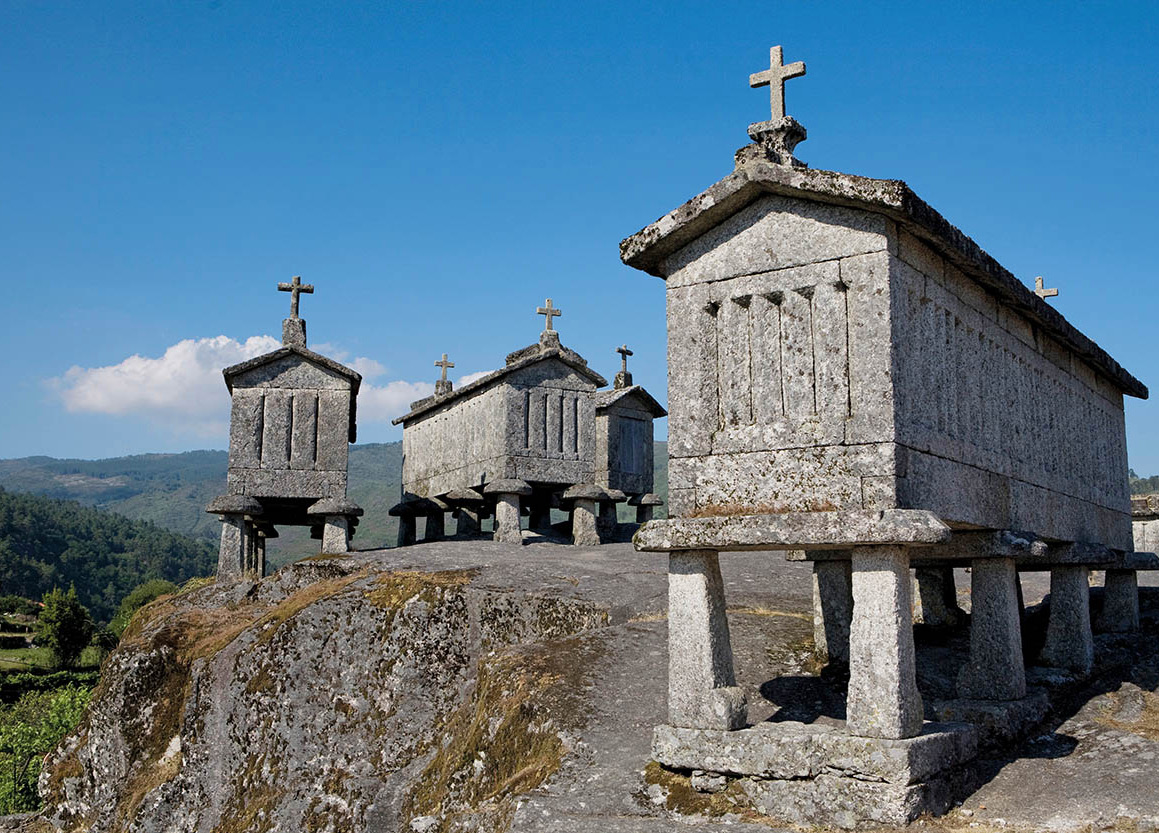
The unusual grain stores of Soajo.
Lydia Evans/Apa Publications